
A strong first impression at a networking event is formed within the first seven seconds — before you have said more than a sentence. It is shaped by your appearance, your confidence, your introduction, and whether you make the other person feel genuinely interesting. Here is how to make every first impression count, and how to turn a brief meeting into a lasting professional relationship.
The Science of First Impressions
Research from Princeton University found that people form judgements about competence, trustworthiness, and likeability within 100 milliseconds of seeing someone’s face. By the time you have introduced yourself, the impression is largely set. This is not cause for anxiety — it is cause for preparation.
The good news is that first impressions can be reinforced or adjusted in the minutes that follow. A strong, clear introduction and genuine curiosity about the other person can build rapidly on a positive initial impression.
Before the Event: Preparation That Shows
The professionals who consistently make strong first impressions do most of their work before they walk through the door:
- Know your introduction: Have a clear, one-sentence answer to “what do you do?” that is specific and interesting. “I help professional women grow their service businesses through referral networks” is more memorable than “I’m a business coach.”
- Research who will be there: If the event has a guest list or speakers, look them up on LinkedIn. Walking in knowing who you want to meet removes hesitation and shows respect for their work.
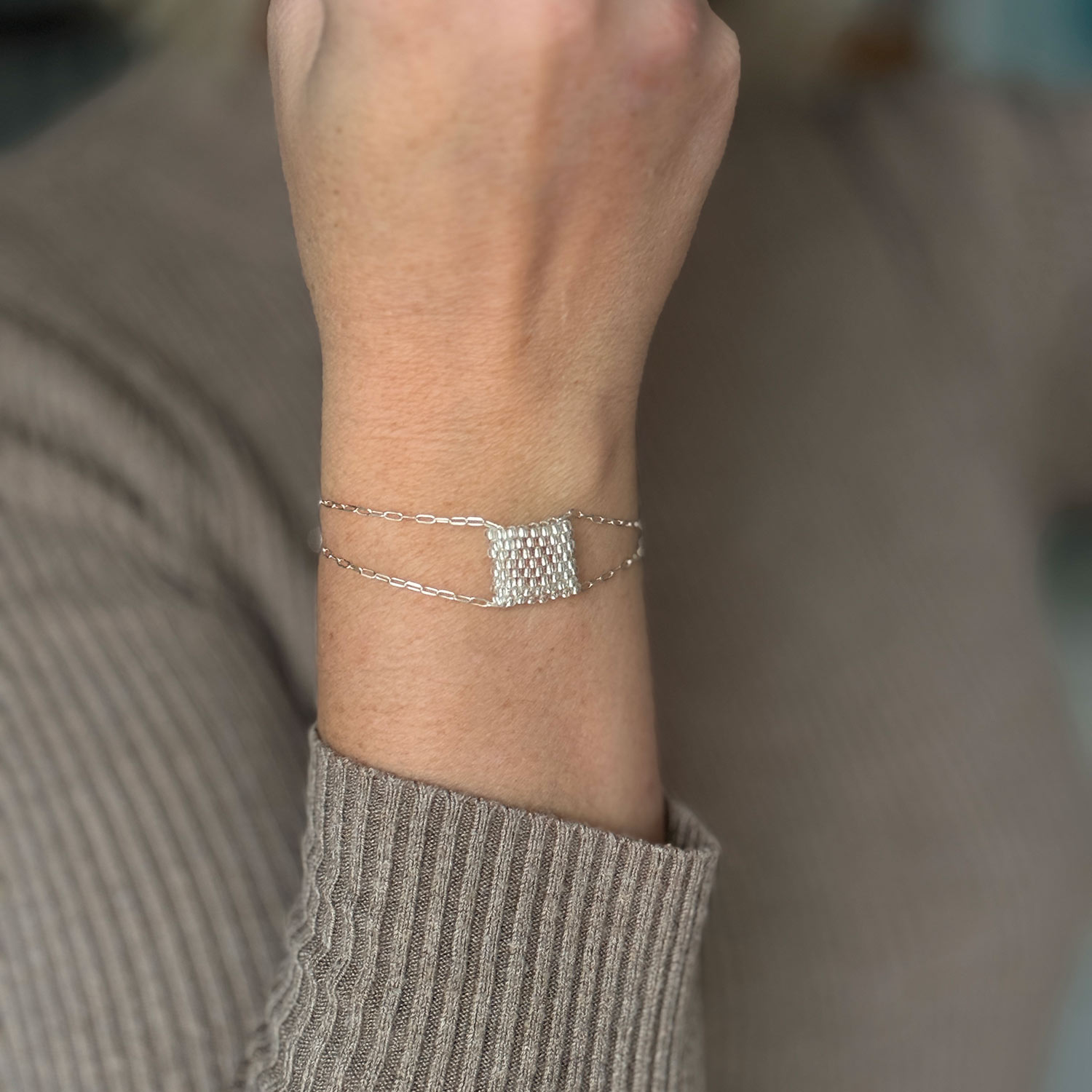
- Choose your appearance intentionally: You do not need to be the most dressed-up person in the room, but you should feel confident in what you are wearing. For women, an accessory with a story — a handcrafted piece, a piece with meaning — is often a conversation starter.
- Have your contact sharing ready: Whether that is an NFC bracelet, a QR code on your phone, or a few premium cards, be ready to share your details without fumbling.
At the Event: The Introduction
A strong networking introduction has three parts:
- Your name — said clearly, not rushed
- What you do — specific and interesting
- A question about them — genuine, open-ended
Example: “Hi, I’m Riina. I make NFC smart bracelets for professional women who want to network without paper cards. What brings you here today?”
The question at the end shifts attention to the other person — which is what creates the feeling of being genuinely interesting. People remember how you made them feel, not what you said about yourself.
Body Language and Non-Verbal Signals
Research by Amy Cuddy at Harvard Business School found that body language accounts for a significant portion of first impression formation. Key signals:
- Eye contact: Maintain natural eye contact (not a stare) when speaking and listening. Looking away frequently signals disinterest.
- Open posture: Avoid crossing your arms or angling your body away. Face the person fully.
- Genuine smile: A smile that reaches your eyes registers as authentic. Forced smiles register as such.
- Active listening: Nod, lean slightly forward, and respond to specific things they say. Generic responses signal you were not fully present.
The Contact Exchange: Make It Memorable
How you exchange contact information is itself part of the first impression. Options in order of memorability:
- NFC tap (most memorable): “Here, tap my bracelet” — your profile opens on their phone. Unique, efficient, conversation-worthy.
- QR code: Show the QR code on your phone. Fast, no paper required.
- Premium physical card: If using paper, the quality of the card reflects your brand. Cheap cards make an impression too — just not the one you want.
After the Event: The Follow-Up That Matters Most
The first impression continues in the follow-up. Research from HubSpot shows that 80% of sales require five or more follow-up contacts, yet most professionals give up after one. For networking, the numbers are similar.
- Within 24 hours: Send a personalised LinkedIn message referencing your conversation. Mention something specific.
- Within a week: If relevant, share an article, resource, or introduction that would genuinely benefit them.
- 30 days later: Check in briefly. Even a short “saw this and thought of you” message keeps the relationship warm.
Frequently Asked Questions
How do you make a good first impression at a networking event?
Making a strong first impression at a networking event requires preparation and genuine curiosity. Have a clear, specific introduction ready, research who will be there, dress with intention, and focus on making the other person feel interesting rather than impressing them with your own credentials. The most memorable professionals ask great questions and listen actively.
What should you say when networking?
When networking, lead with a clear one-sentence description of what you do and immediately ask an open question about the other person. Avoid generic openers — instead, reference something specific about the event, a mutual connection, or their work. The goal of the first conversation is to find genuine common ground and arrange a follow-up, not to close a deal.
How important is appearance at networking events?
Appearance accounts for a significant portion of the first impression at networking events, as non-verbal signals are processed before words. This does not mean being the most dressed-up person in the room — it means being intentional and consistent with your personal brand. An accessory with a story, or an unexpected tool like an NFC bracelet, can serve as both a style choice and a conversation starter.
Make your next first impression unforgettable.
tapHi NFC bracelets — handcrafted, worn with purpose. See tapHi →